Pros and Cons of Pressure Washing DIY
The pros and cons of DIY pressure washing — and the real differences between pressure washing and soft washing your Long Island home.
As homeowners, it’s not uncommon to watch our beloved homes gradually turn unrecognizable shades of green and black. The culprits? Algae, moss, and mold that thrive on exterior surfaces thanks to moisture and lack of sunlight. On the North Shore of Long Island — St James, Nissequogue, Setauket, Port Jefferson, Miller Place, Mt Sinai, Shoreham, Wading River, Rocky Point — the moist sound air and towering oaks create the perfect breeding ground.
The green invasion isn’t just ugly. Algae and mold lead to slippery walkways, damaged roof shingles, and compromised surfaces — a real hazard, especially for the elderly.
Pros of DIY soft washing and pressure washing
- Cost savings — no labor costs if you already own the equipment.
- Convenience — clean on your own schedule.
- Control — you set the pressure, detergent strength, and technique.
- Learning experience — new skills and insight into maintaining your property.
- Immediate results — the transformation is visible right away.
- Preservation and value — regular exterior cleaning protects surfaces and boosts curb appeal.
Cons of DIY
- Under-gunned, under-timed. Most DIYers bite off more than they can chew. Home-store machines and no experience turn large jobs into days of punishment.
- Surface damage. Too much pressure or the wrong cleaning solution causes etching, chipping, and discoloration — and overspray can kill your plants.
- Water intrusion. Improper handling drives water behind siding and into cracks, causing mold, rot, and stains.
- Personal injury. High-pressure streams cause cuts, bruises, and eye injuries. Ladders and fatigue compound the risk.
- Cost. Time is the biggest expense; equipment, detergent, and water add up.
- Ineffective cleaning. Without knowing which method suits which surface, results disappoint.
The biggest DIY mistake: the wrong nozzle
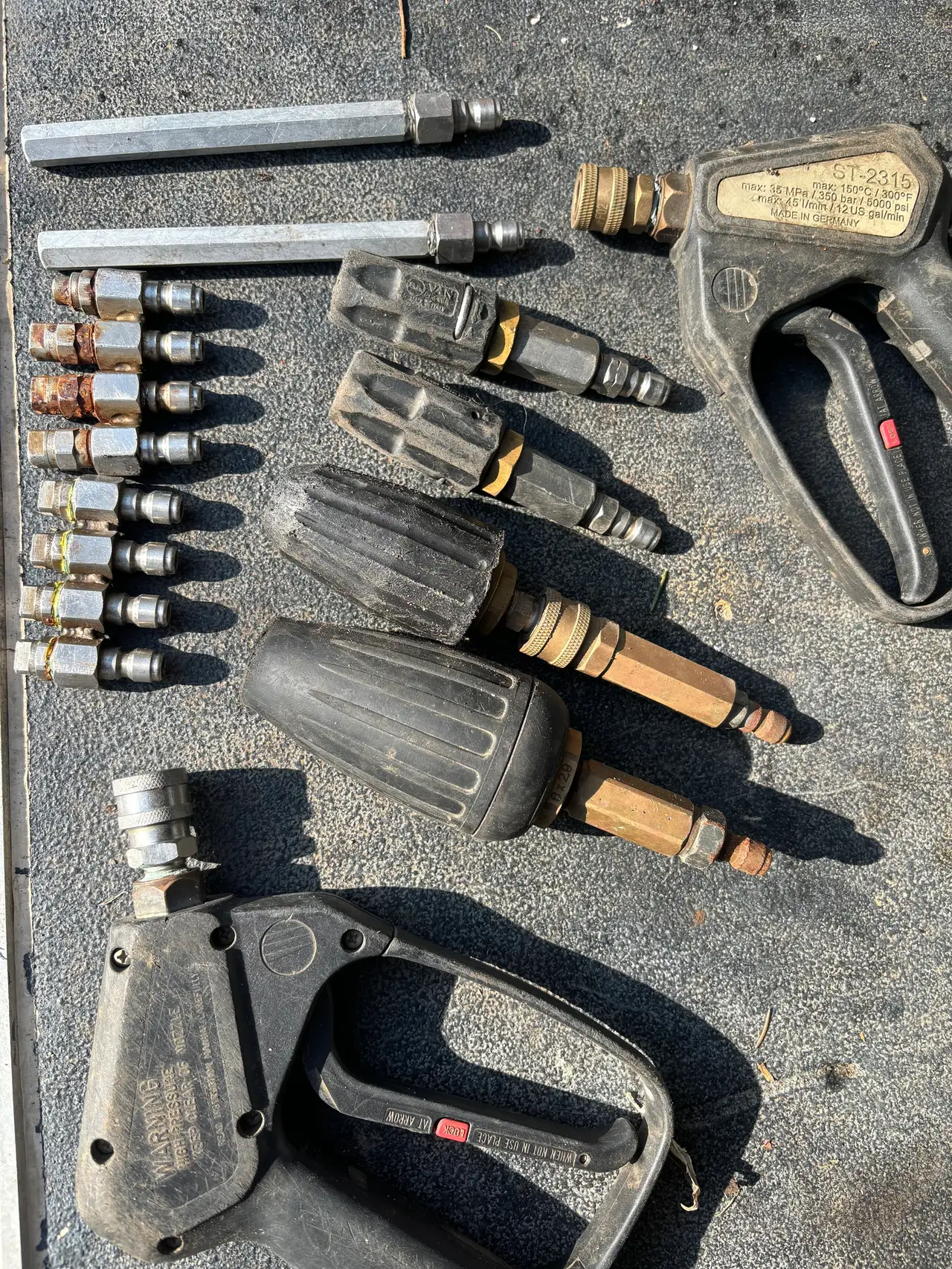
Start with a wide-angle nozzle — 25 degrees or more — and a larger orifice that outputs less than the machine’s maximum PSI. Selecting the wrong nozzle for the material is the fastest way to permanently scar siding, decks, or paver faces.
Soft washing vs. pressure washing
Soft washing is for delicate surfaces: painted wood, stucco, vinyl siding, fences, gutters, and roof shingles. Low pressure, high water volume, and specialized cleaning solutions remove algae, dirt, mold, and mildew without damage. Different stains need different chemistry — you don’t wash a roof with the same agents as siding or pavers.
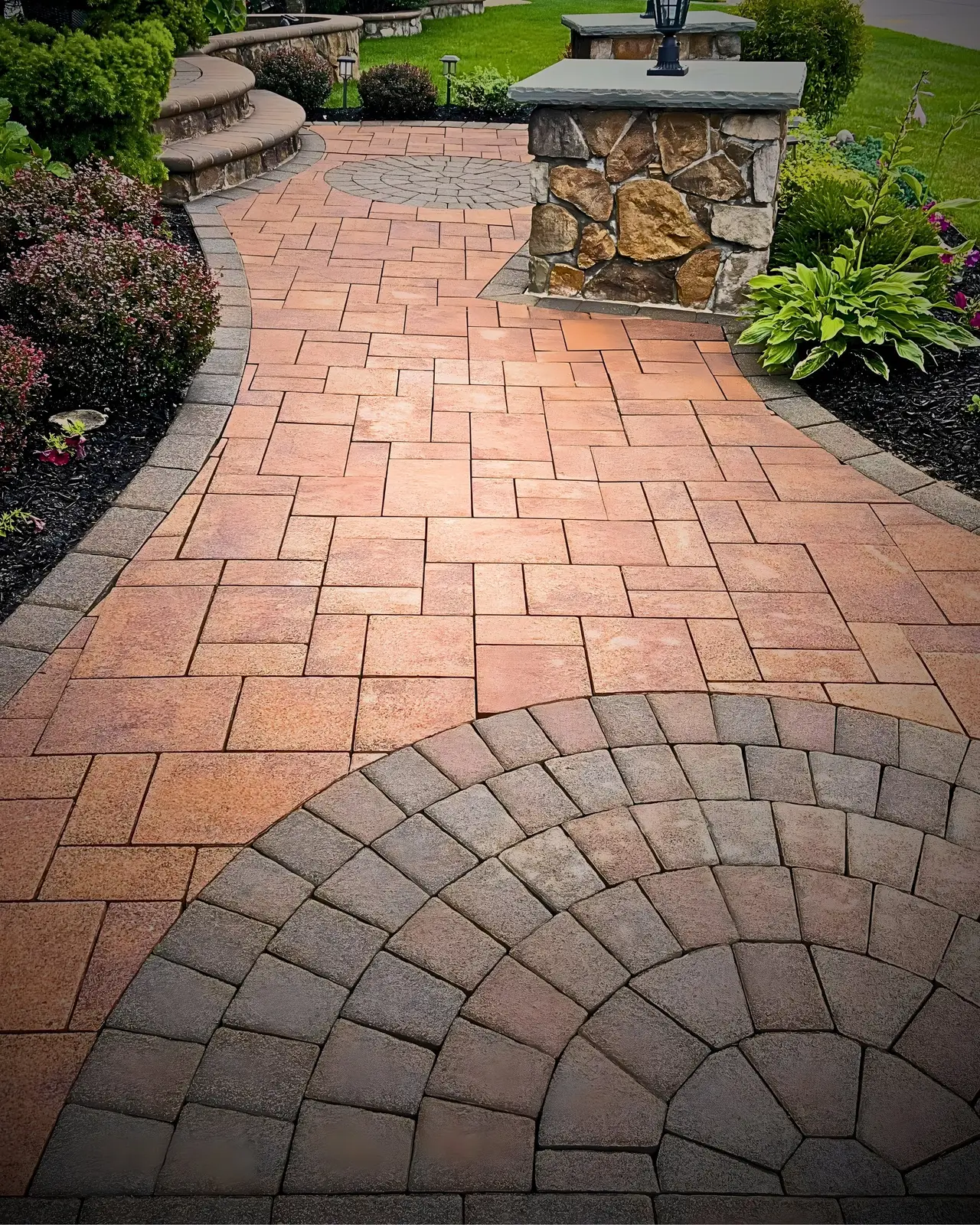
Pressure washing suits tougher surfaces: concrete, brick, and stone. Higher pressure blasts away stubborn stains and caked-on dirt — but even pavers can be damaged where the smooth decorative surface gets stripped.
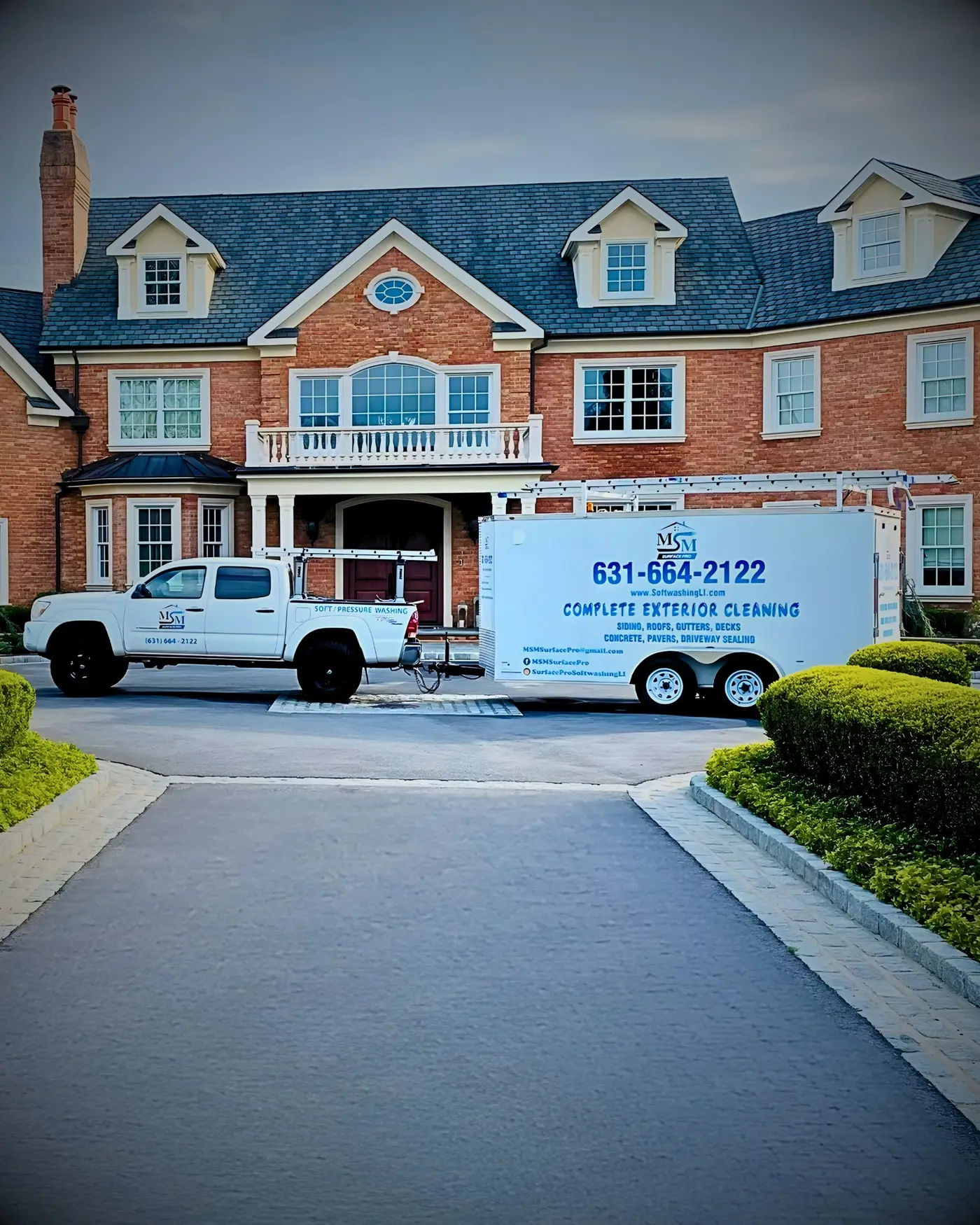
Professionals like MSM Surface Pro use state-of-the-art soft washing pumps and chemical injectors, with applications matched to each material — and often combine both processes, pre-treating or post-treating depending on the organic growth.
To DIY or not to DIY?
If you have prior experience, the right equipment, and an understanding of your surfaces, DIY power washing can be viable. If you’re unsure about operating the equipment safely, worried about delicate surfaces, or simply short on time, a professional service assesses the surfaces, uses the right techniques, and delivers efficient results without risking damage.
Either way, the goal is the same: a clean, well-maintained exterior. And if the DIY route doesn’t go as planned — we’re here.