
How to Keep Your Pavers Looking New — Paver Sealing, the Key to Long-Lasting Beauty
Deep cleaning, new polymeric sand and sealing keep pavers clean, enhance color, protect texture and ward off weed growth in Suffolk County.
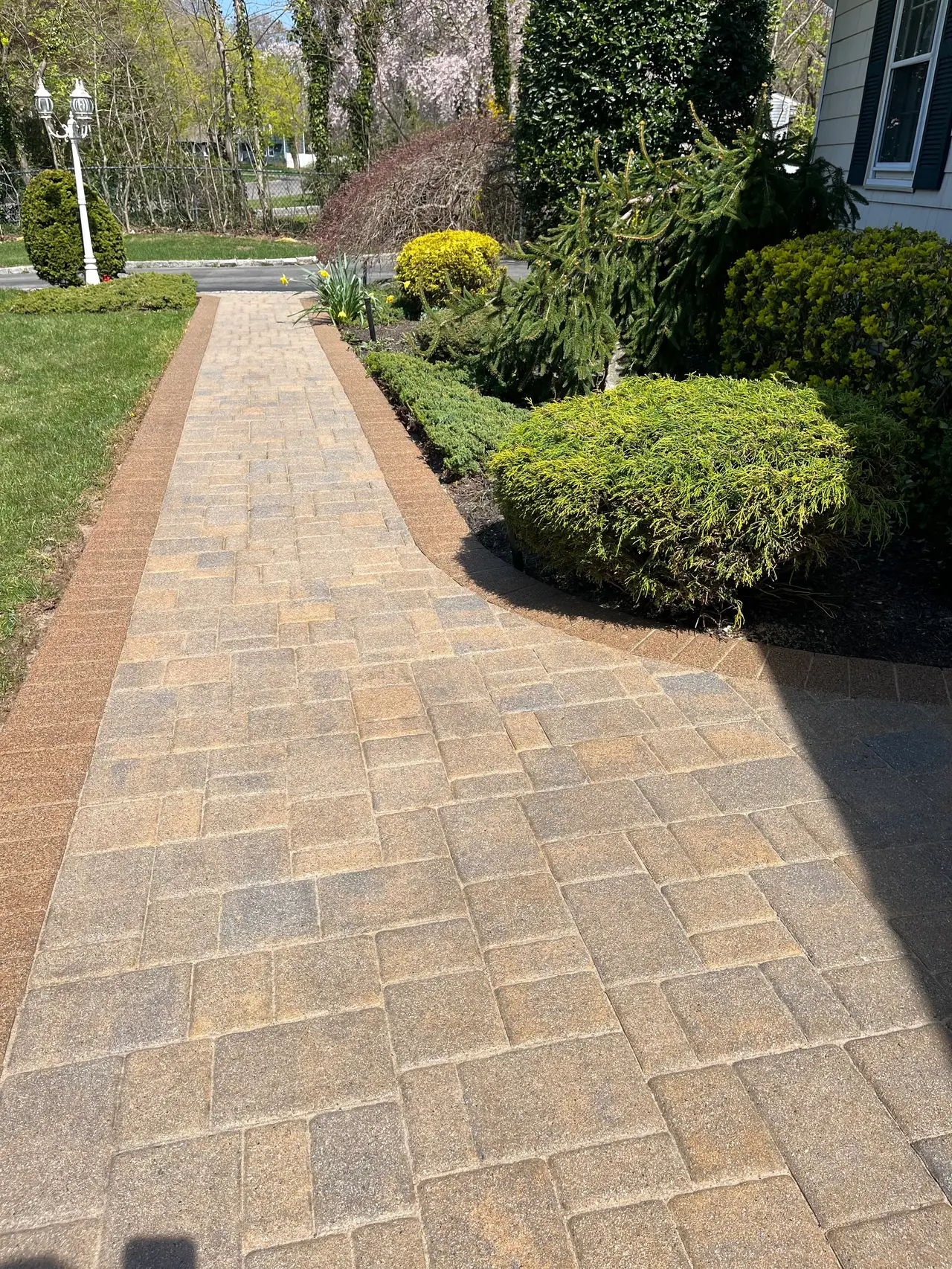
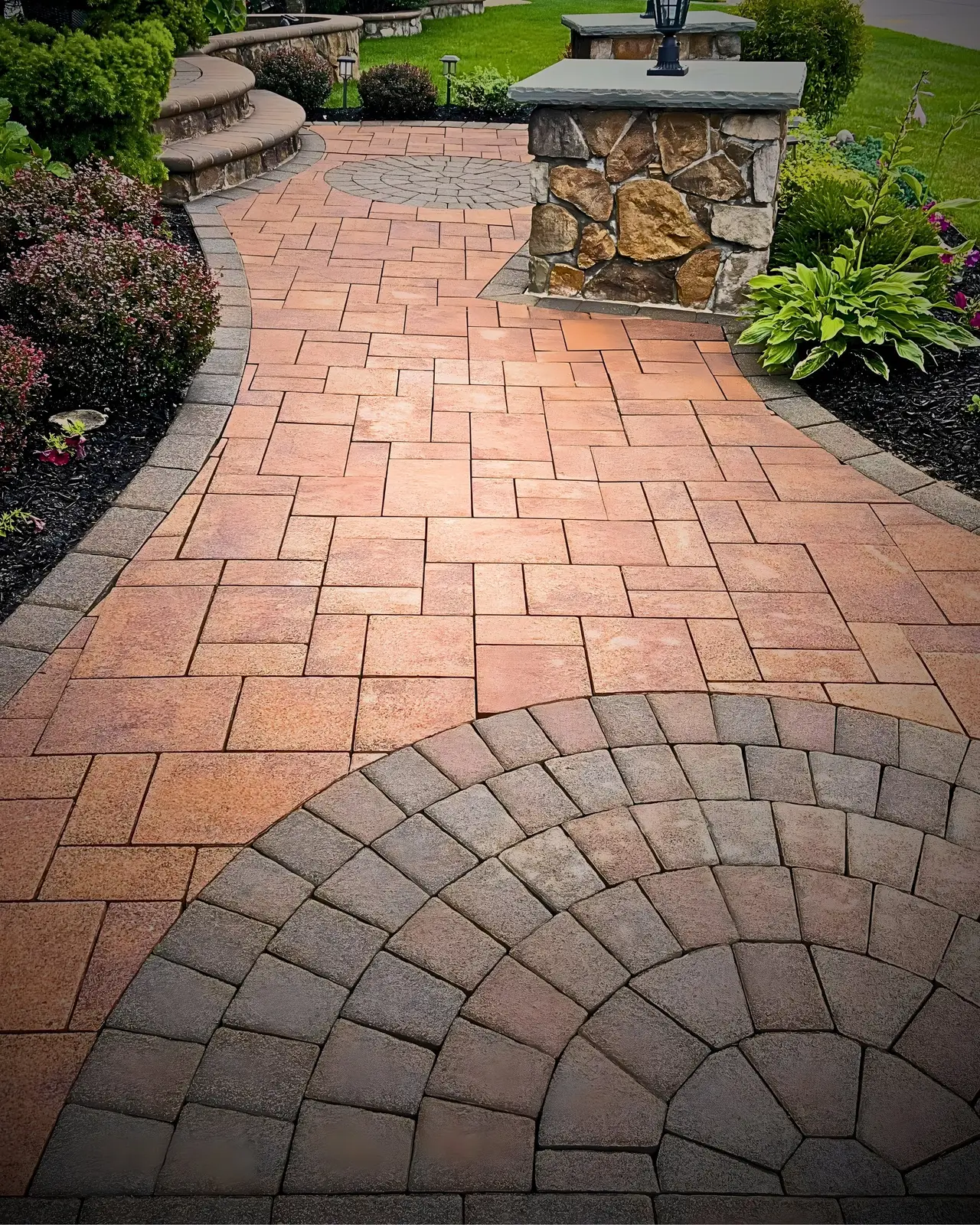
Taking care of pavers after installation is key to keeping them looking new. We can rejuvenate old pavers — but save yourself the headache down the road and take care of them from the beginning. Sealing early keeps them looking new much longer, and makes cleaning far easier.
Long Island experiences drastic seasonal changes that wreak havoc on masonry and hardscape. The towering oaks of the North Shore — St James, Setauket, Miller Place, Wading River — shower debris on patios, and the climate influence from the ocean and bays keeps everything damp.
First-year upkeep for new pavers
- Efflorescence: the white haziness across a new patio is normal and dissipates with rain in about a year. It’s the main reason we don’t recommend sealing in the first year — it would show under the sealer.
- Regular cleaning: blow and sweep regularly. Use mild detergent and light hose water for deeper cleaning; avoid harsh acidic chemicals.
- Combat weeds: hard polymeric joints resist weed growth, but treat any breakthrough promptly.
- Avoid heavy loads: keep heavy vehicles off new pavers for the first few months.
- Manage water drainage: irrigation that wets pavers daily deteriorates stabilizing joint sand fast.
- Use furniture protectors: pads prevent scratches, rust stains, and indentations.
- Address stains promptly: for oil, hot water and soap as soon as possible.
Why are my pavers turning black and green?
The number one culprit is water. Irrigation systems that soak pavers every cycle cause organic growth at a remarkable rate. Bad drainage is next: sunken or poorly pitched patios pool moisture deep into the base — a breeding ground for algae. And wherever joint sand is missing, moisture (and weeds, and ants) move in.
Simple habits help: blow off debris regularly, hose-rinse with a wide spray, and never let wet leaves sit — they act like sponges and stain the stone.
Is it worth sealing my pavers?
Yes. Sealing about one year after installation is ideal — the stone isn’t dirty or worn yet. A good sealer:
- Protects against UV degradation, snow, acid rain, and traffic wear
- Enhances color with a natural, semi-gloss, or gloss finish
- Hardens joints and repels water, reducing freeze–thaw damage
- Wards off algae and weed growth
- Makes routine cleaning a breeze
Should I seal older pavers?
There’s still life in them! Deep cleaning is the first step: pressure washing dislodges old joint sand, moss, and stains, and a soft wash completes the prep. New polymeric sand — poured and spread correctly so the polymers stay evenly distributed — stabilizes the joints. Then sealing brings back the color and stops further degradation.
The longer you wait, the more weathered pavers get. Texture and color grow muted and washed out. If you recently installed a patio, speak with an MSM Surface Pro-fessional about sealing options and save yourself the trouble of bringing old pavers back to life.